
Pubic symphysis pain in pregnancy is one of the most common causes of pelvic discomfort for expecting mothers. It can feel sharp, unsettling and limiting, especially when walking, rolling in bed or getting out of the car.
We regularly support women experiencing pelvic girdle pain during pregnancy. As a Webster Certified Chiropractor in Melbourne, our approach is gentle, specific and focused on supporting your nervous system and pelvic biomechanics during this important season.
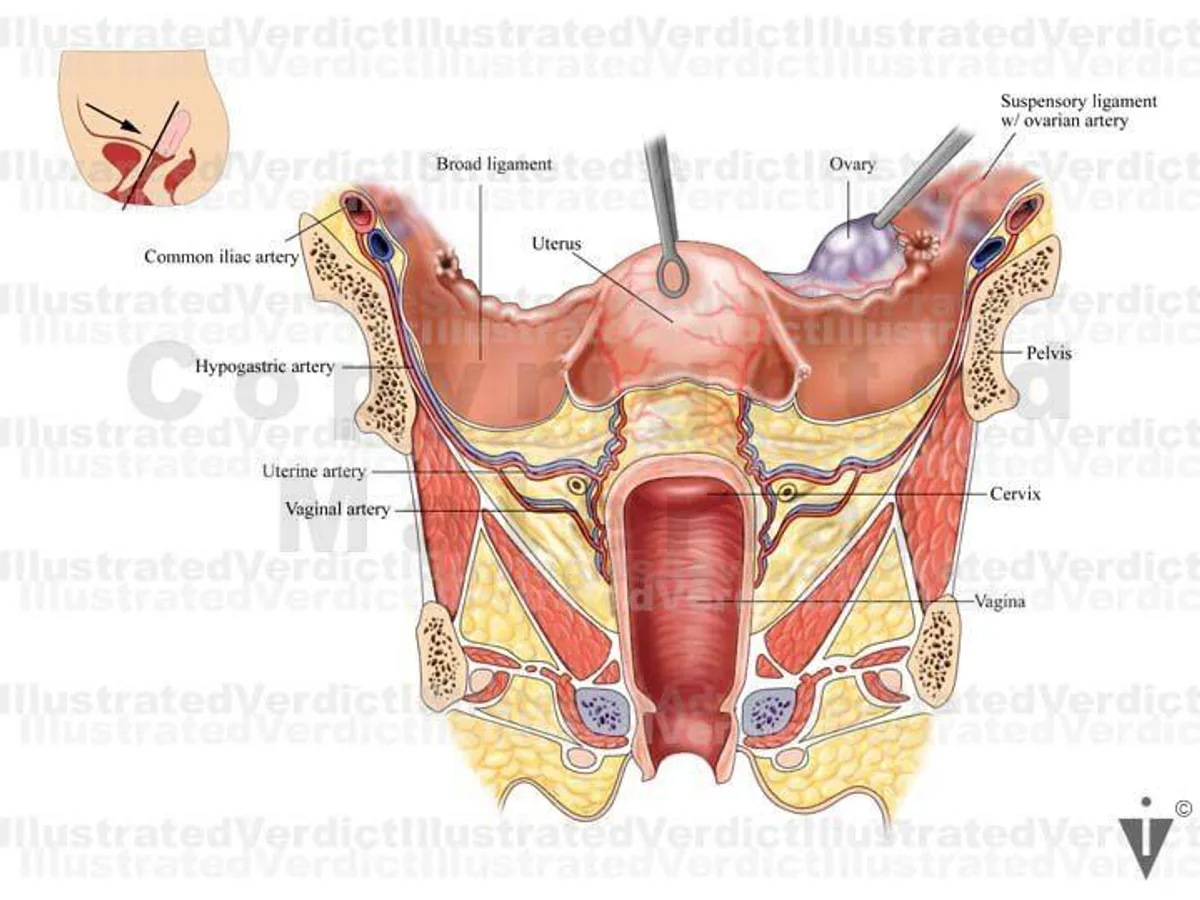
What Is Pubic Symphysis Pain in Pregnancy?
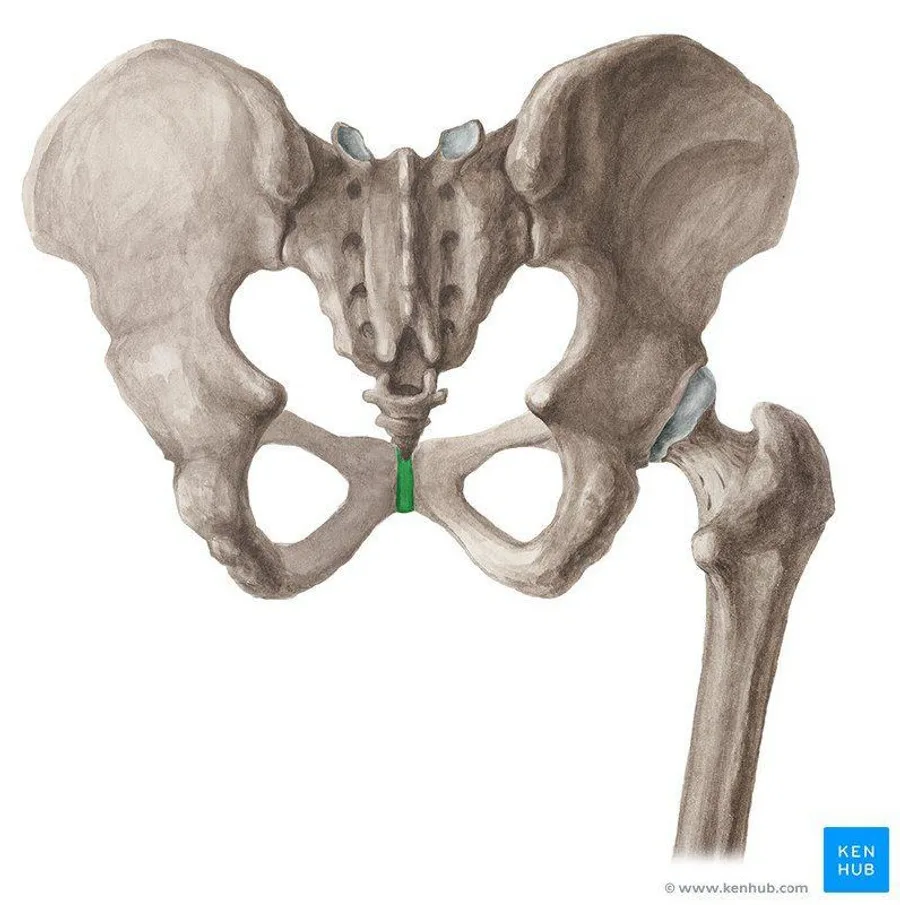
The pubic symphysis is the joint at the front of your pelvis where the two pelvic bones meet.
During pregnancy:
Hormones such as relaxin increase ligament flexibility
Your centre of gravity shifts
Abdominal load increases
Muscle recruitment patterns change
For some women, these changes can lead to irritation or increased sensitivity around the pubic symphysis joint.
This may be referred to as:
Pubic symphysis pain
Pelvic girdle pain (PGP)
Symphysis pubis dysfunction (SPD)
Symptoms can include:
Sharp pain at the front of the pelvis
Pain walking or climbing stairs
Discomfort turning in bed
Clicking or grinding sensations
Pain radiating into the inner thighs
Every pregnancy is different. Some women experience mild discomfort, while others find it significantly impacts daily movement.
If pain is severe, worsening, or associated with other concerning symptoms, medical assessment is important. Chiropractic care may form part of your broader pregnancy support team.
Why Does Pelvic Girdle Pain Happen During Pregnancy?
Pregnancy requires remarkable coordination between joints, muscles and the nervous system.
As the pelvis adapts:
Joint mobility increases
Stability demands change
Breathing and core mechanics shift
Load distribution alters
From a nervous-system perspective, your body is constantly adapting to maintain stability and comfort. When coordination becomes strained, the pelvis may feel less supported and more sensitive to movement.
This does not necessarily mean something is “out.” It often means your system is working harder to adapt.
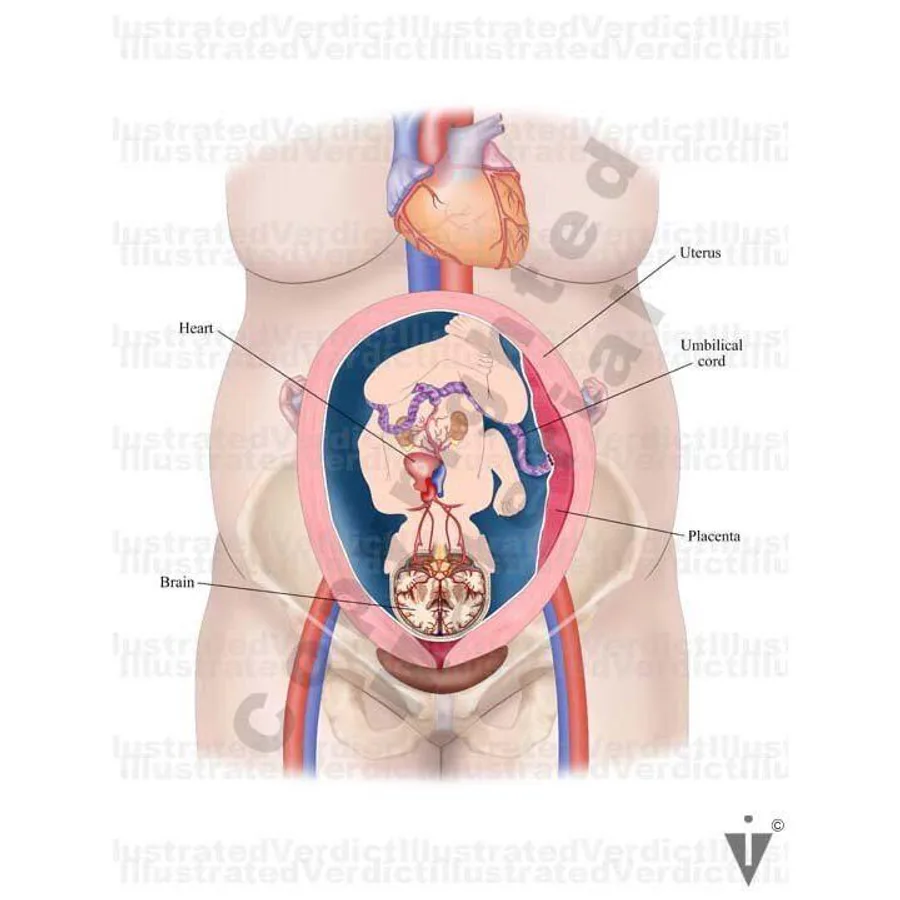
How Can a Pregnancy Chiropractor in Melbourne Help?
The Webster Technique aims to:
Assess pelvic biomechanics
Reduce tension in surrounding muscles and ligaments
Support balanced movement through the pelvis
Encourage improved comfort and ease of movement
Our approach is low-force and adapted for pregnancy. Research suggests many pregnant women report improvement in pelvic discomfort with chiropractic care.
Our role is to support function, comfort and nervous system regulation alongside your healthcare team.
When Should You See a Pregnancy Chiropractor for Pubic Symphysis Pain?
You may consider seeking support if:
Walking has become uncomfortable
Turning in bed causes sharp pain
You feel unstable or uneven through the pelvis
Pain is increasing as pregnancy progresses
You want proactive support for a more comfortable pregnancy
Early support may help you maintain better movement patterns as your pregnancy progresses.
Pregnancy Chiropractor Melbourne – Supporting Women Through Every Stage
If you’re searching for a pregnancy chiropractor in Melbourne for pubic symphysis pain or pelvic girdle pain, our conveniently located practice on High St, Northcote supports women from early pregnancy through postpartum recovery.
We are Webster certified for pregnancy chiropractic and our focus is on your pelvis and how your nervous system coordinates the entire experience of pregnancy.
We care for:
First-time mums
Women preparing for VBAC
Women planning natural births
Women under obstetric or midwifery care
Postpartum mothers recovering from pelvic discomfort
Our goal is to help you move with more ease and confidence as your body prepares for birth.
Ready to Feel More Comfortable?
If you would like to discuss whether chiropractic care is appropriate for your pregnancy, we invite you to contact our Northcote practice.
Your body is designed for this season. Sometimes it just needs the right support.
This information is general in nature and does not replace medical advice. Please consult your GP, obstetrician or midwife for diagnosis and management of specific conditions.
— Dr Diana Pakzamir, Chiropractor
www.blossomchiro.com.au