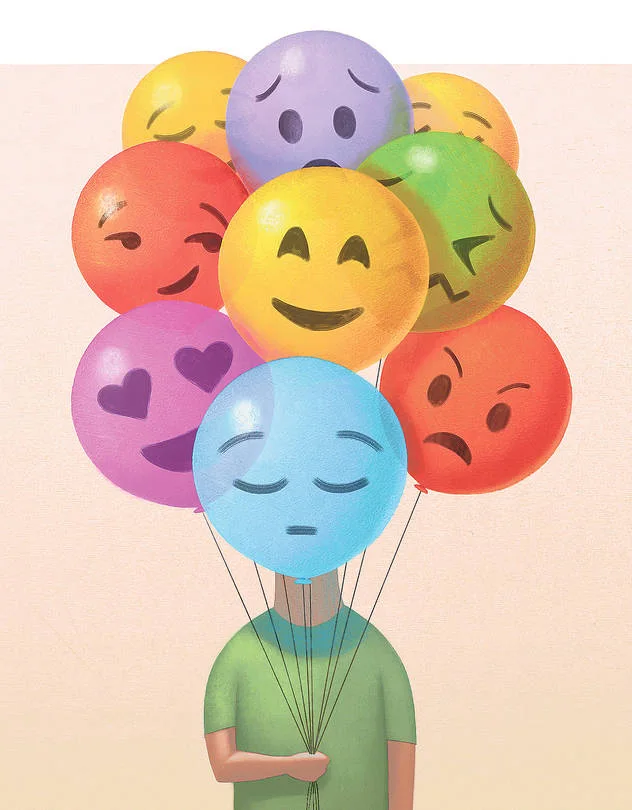
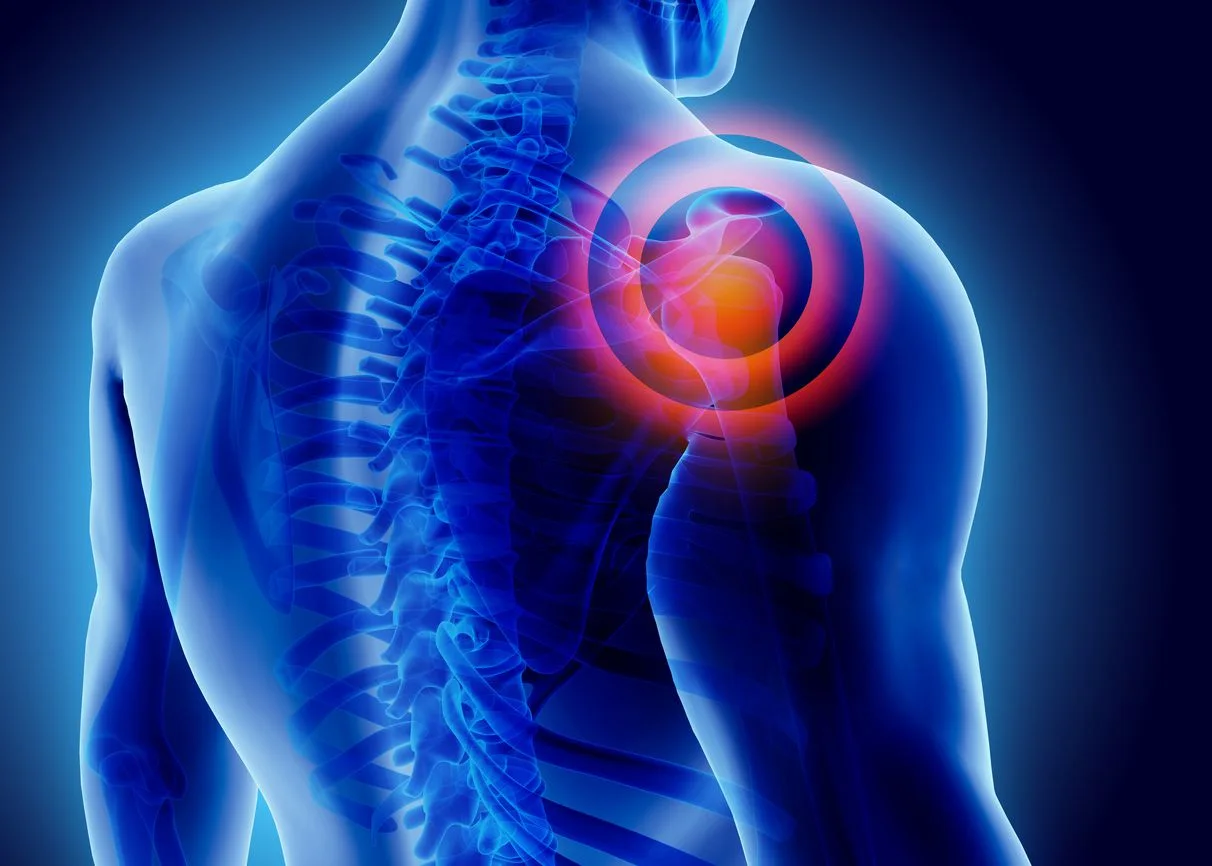
Pain is one of the ways our body gets our attention.
It can be easy to ignore a niggle, push through discomfort or tell ourselves we'll deal with it later. But sometimes, pain is our body's way of asking us to stop and pay attention.
Pain is information
Pain is a complex experience and can have many different causes. It can be influenced by things like injury, illness, stress, sleep, movement and our overall circumstances.
This doesn't mean that every ache or pain is something to worry about. Bodies get sore, especially after trying something new, exercising or simply having a busy week.
The important thing is to notice what your body is telling you and whether there is a pattern.
Is it getting better or worse?
Does it keep coming back?
Is it affecting how you move or go about your day?
These are useful things to pay attention to.
Don't wait until you're completely uncomfortable
We often become very good at adapting to discomfort.
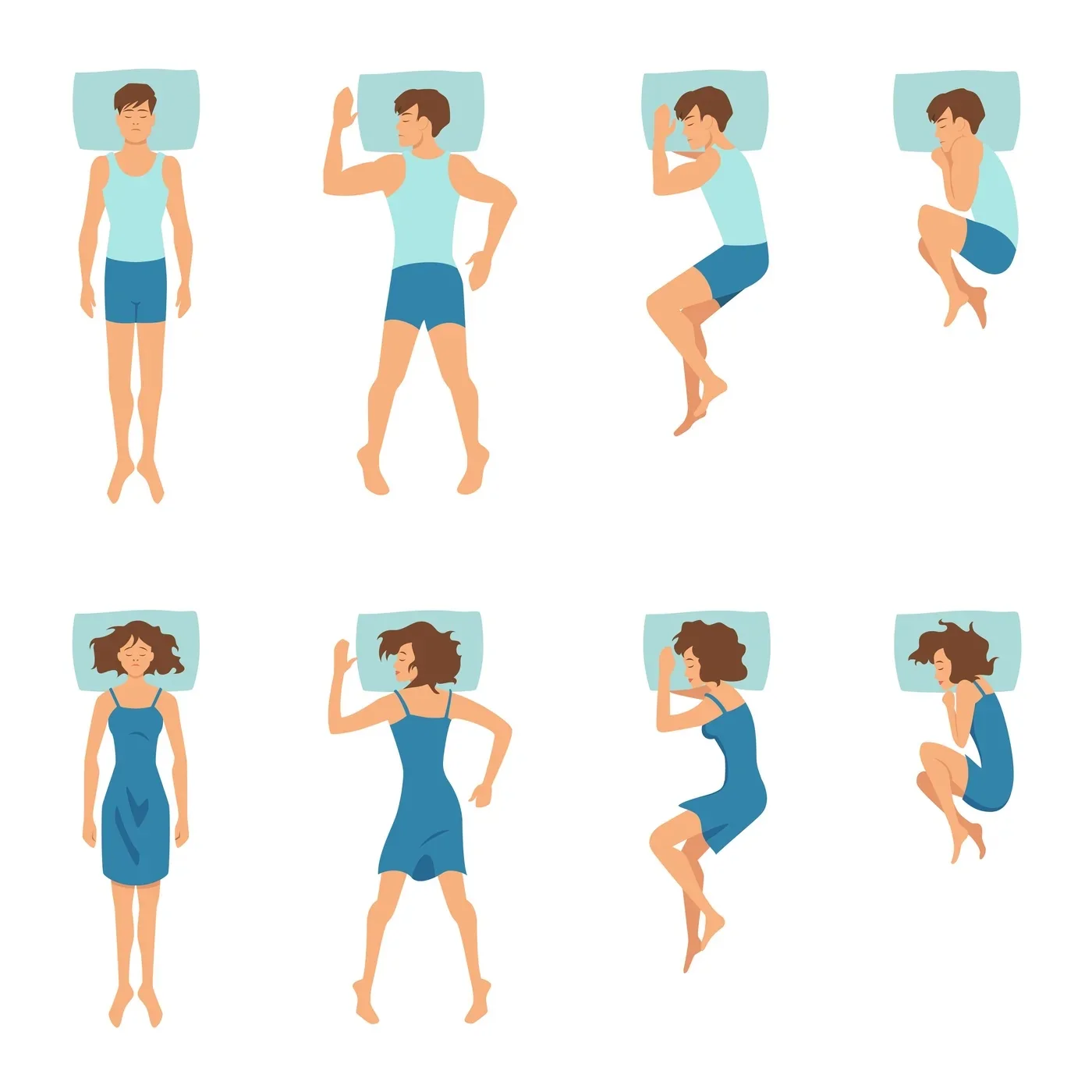
You might change how you sit, avoid certain movements, sleep differently or simply learn to live with a recurring ache.
Over time, these small adjustments can become your new normal.
Instead of ignoring those early signals, try checking in with your body sooner.
Sometimes the answer might be rest. Sometimes it might be movement, changing your routine or getting some support.
Your body isn't the enemy
Pain can be frustrating, particularly when it interferes with work, exercise, sleep or family life.
But rather than seeing your body as something that's letting you down, try viewing discomfort as information.
It’s an opportunity to pause and ask what might be contributing to how you're feeling.
Are you sleeping well?
Have you been moving regularly?
Have you been sitting in the same position for hours?
Have you been under more stress than usual?
Have you recently changed your exercise or routine?
There isn't always one simple answer, but becoming more aware of these patterns can be a useful first step.
Know when to seek help
Not all pain should be managed at home. New, severe, persistent or worsening pain, particularly when accompanied by other concerning symptoms, should be assessed by an appropriate healthcare professional.
You don't have to wait until pain is stopping you from doing the things you love before asking for help.
Listen to your body. Notice the signals. And don't be afraid to ask for support when something doesn't feel right.
Yours in health,
♡ Dr Diana & the Blossom Team